
Volcano, rainforest, reef and sand
From a smoking crater to a coral-fringed lagoon, Guadeloupe packs an extraordinary range of landscapes into a small archipelago — most of it within an hour of Le Gosier.
← Back to the guide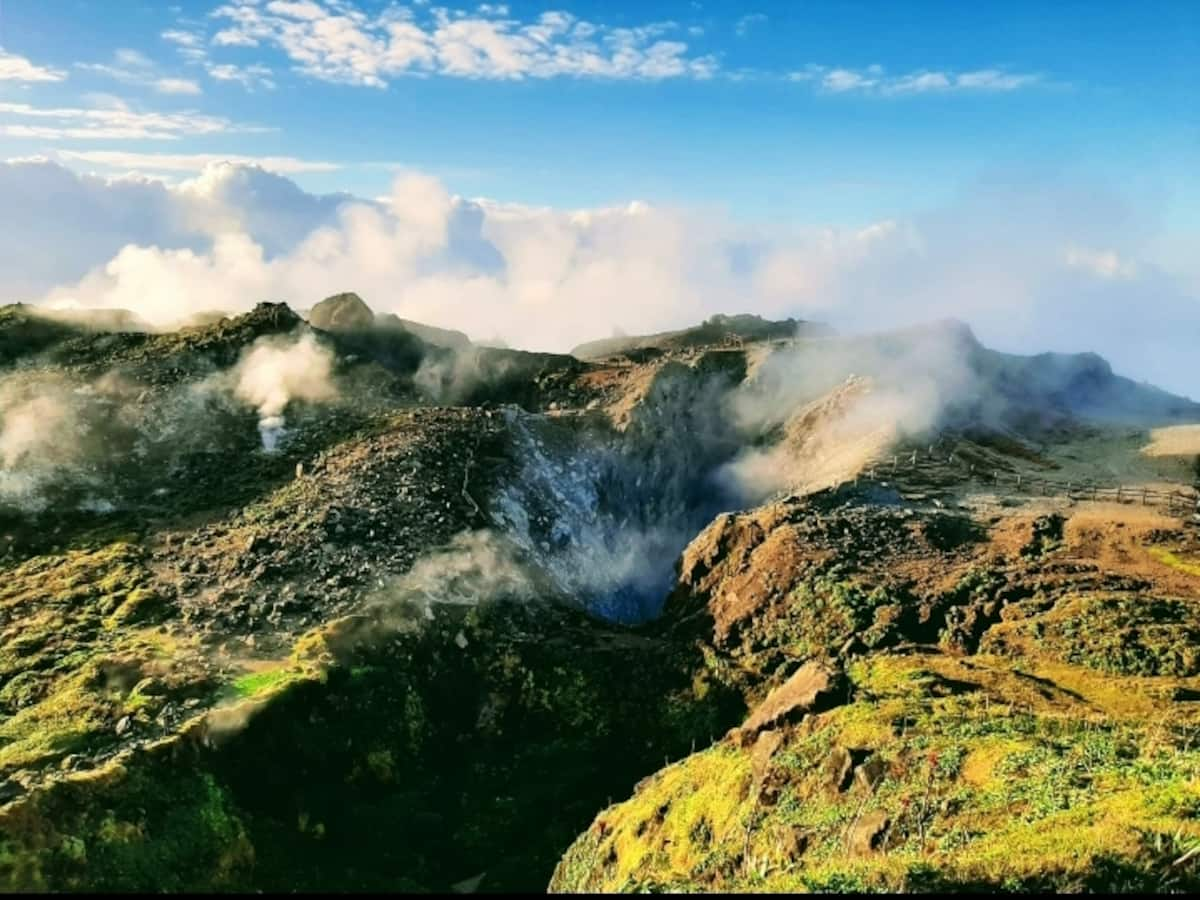
Hike an active volcano
La Soufrière is one of the very few volcanoes in the world you can walk right up to the crater of — no permit, no guide required, though a local guide makes the geology and folklore come alive. The round trip from the Savane à Mulets car park takes about 3 hours, climbing through cloud forest into a lunar landscape of steaming fumaroles and sulfur vents. It’s often cool and misty at 1,467 m, so bring a light rain jacket and sturdy shoes even on a sunny day at sea level — and check current access conditions before you go, since the trail occasionally closes for volcanic monitoring.
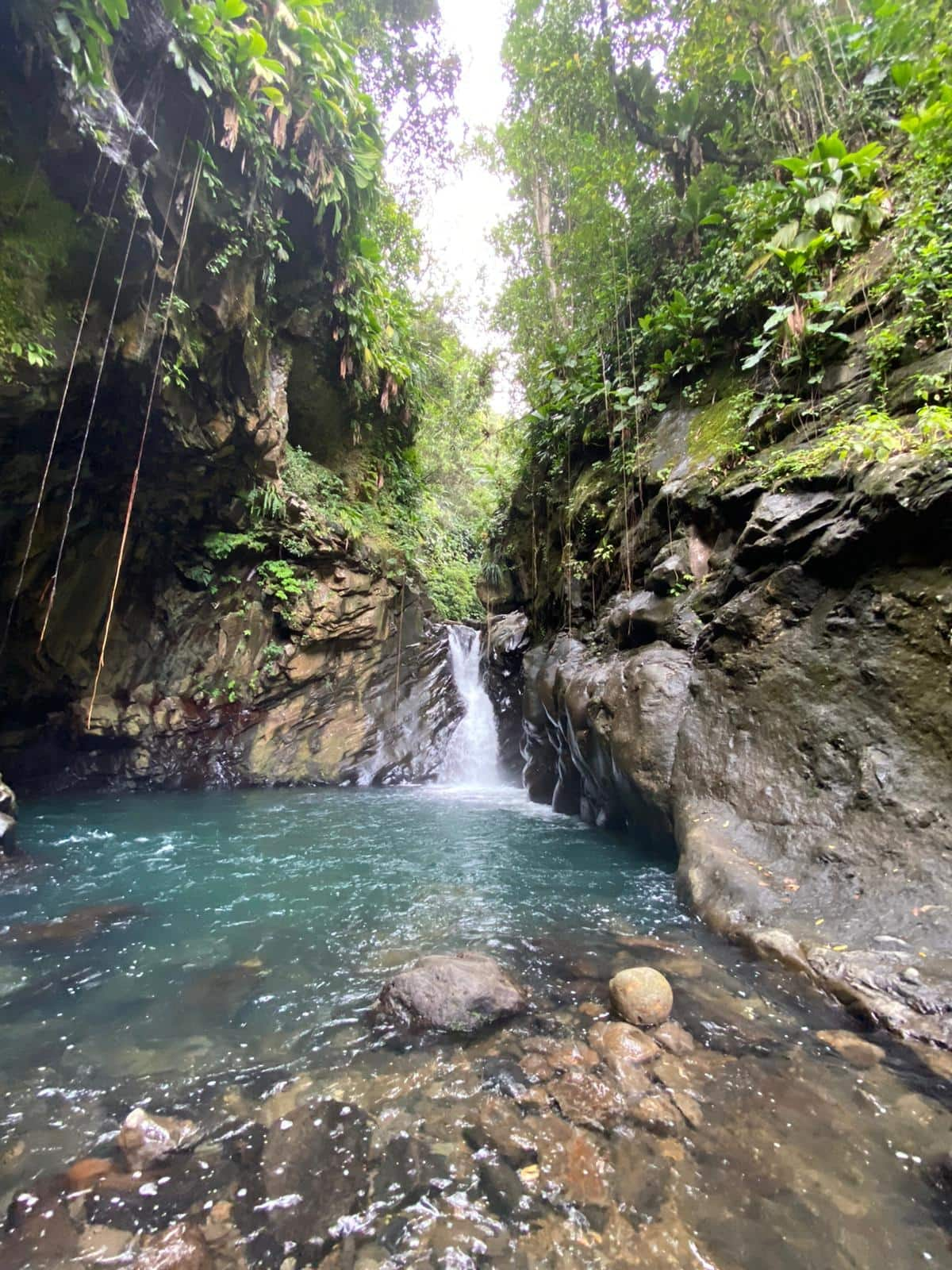
Waterfalls you can swim in
The volcano’s slopes are threaded with rivers and waterfalls, most reachable by an easy forest walk. The Carbet Falls are the headline act — three cascades, the tallest dropping 115 m through the Guadeloupe National Park rainforest. For a gentler, family-friendly outing, the Cascade aux Écrevisses is a ten-minute stroll from the road to a swimmable pool. More adventurous travellers can book a canyoning trip on the Bras David river, abseiling down waterfalls and jumping into pools along the way.
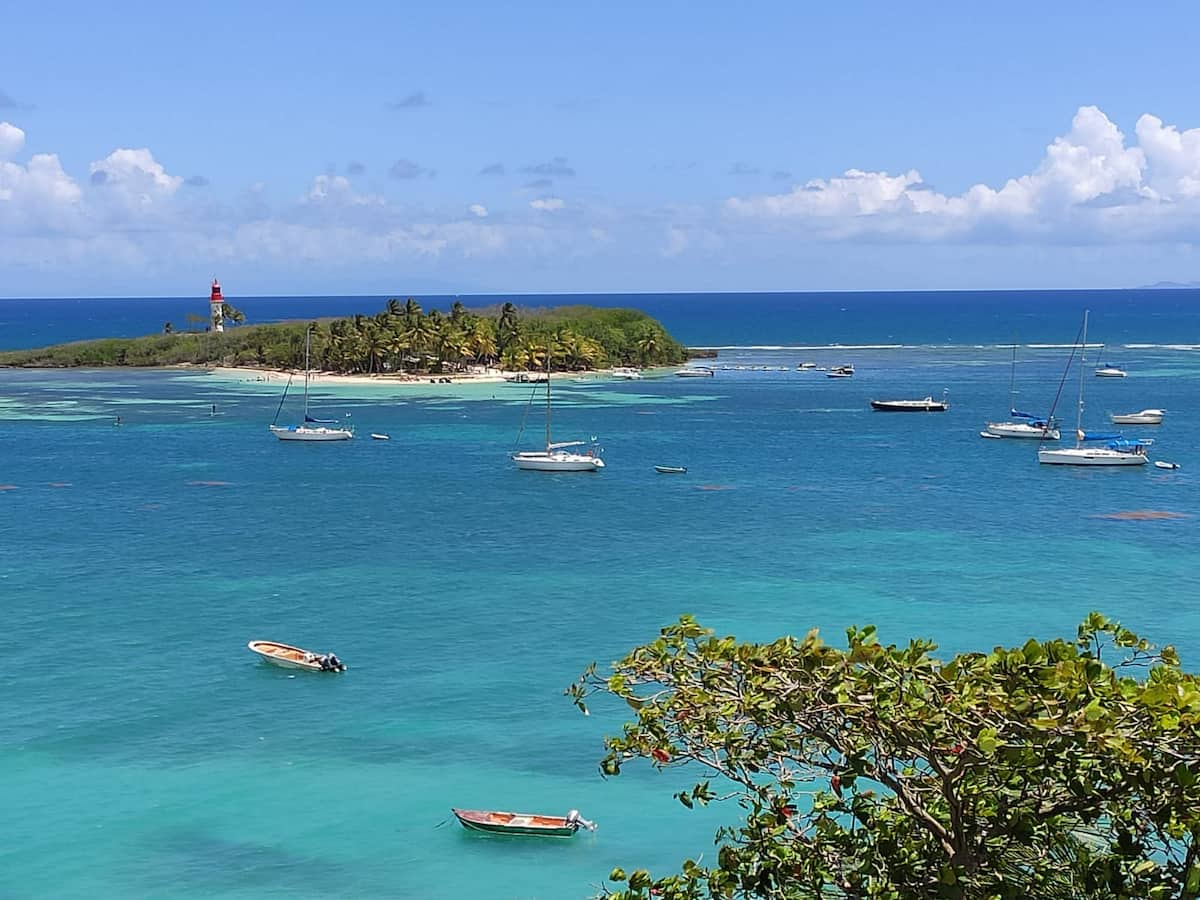
Postcard beaches, right where you’re staying
Grande-Terre, where the apartments sit, is where the classic Caribbean beach scenes are: golden sand, coconut palms, and turquoise water sheltered by an offshore reef. Sainte-Anne and the Caravelle beach are the postcard favourites a short drive east; Datcha beach, animated with beach bars, is five minutes on foot from your door. On Basse-Terre the beaches turn dramatic and black — volcanic sand at Malendure and the much-photographed Grande Anse in Deshaies, familiar to fans of the TV series filmed there.
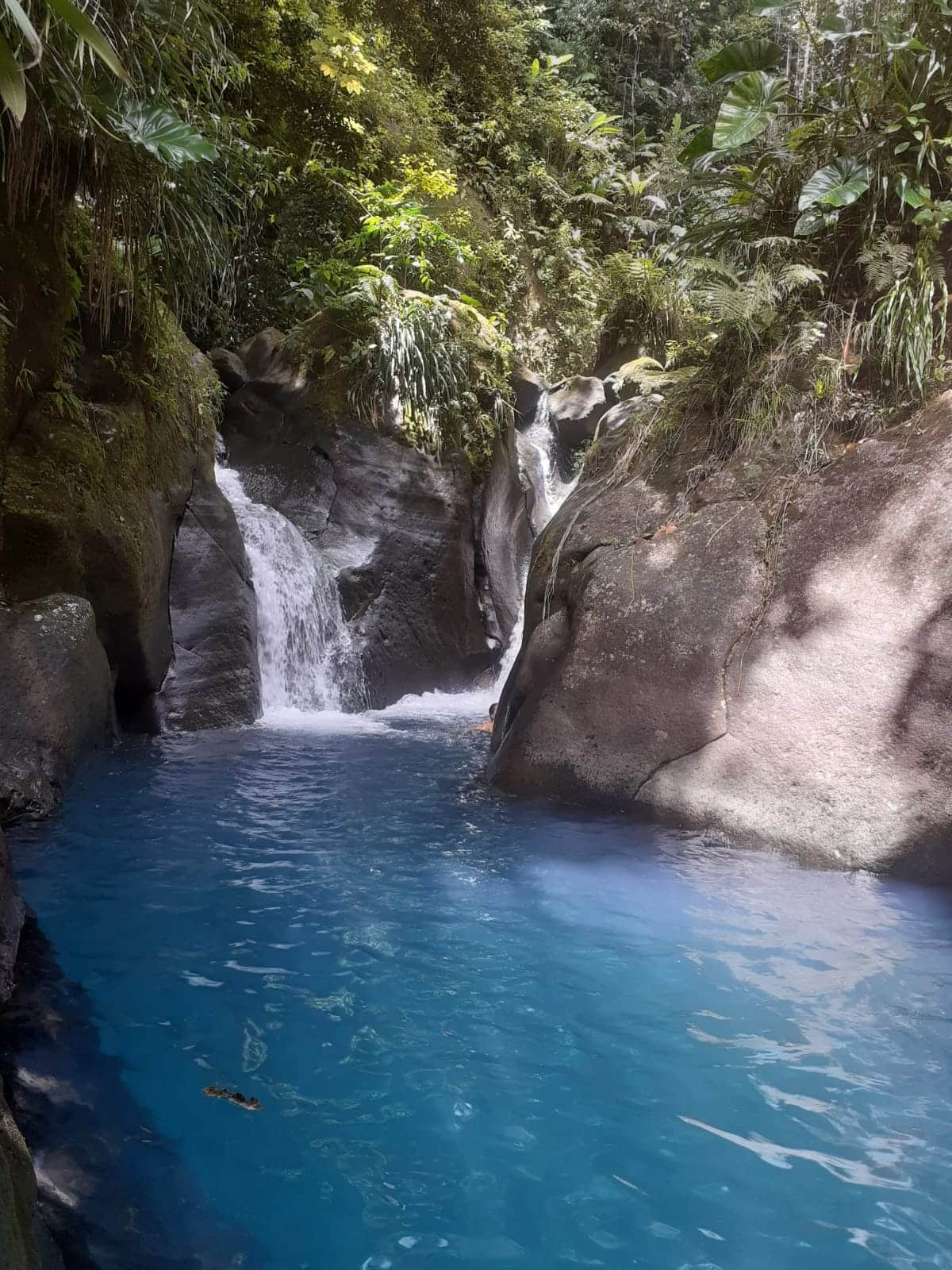
A reserve Jacques Cousteau called one of the world’s best
Just off Basse-Terre’s west coast, the Cousteau Marine Reserve around Îlet Pigeon protects a coral reef that the pioneering diver himself rated among the finest he’d seen. Glass-bottom boats, snorkelling trips and dive centres all run from nearby Malendure beach — an easy day trip from Le Gosier and worthwhile even for complete beginners. Inland, keep an eye out for “bassins” — natural rock pools fed by rivers and waterfalls, perfect for cooling off after a hike.
Les Saintes, Marie-Galante & La Désirade
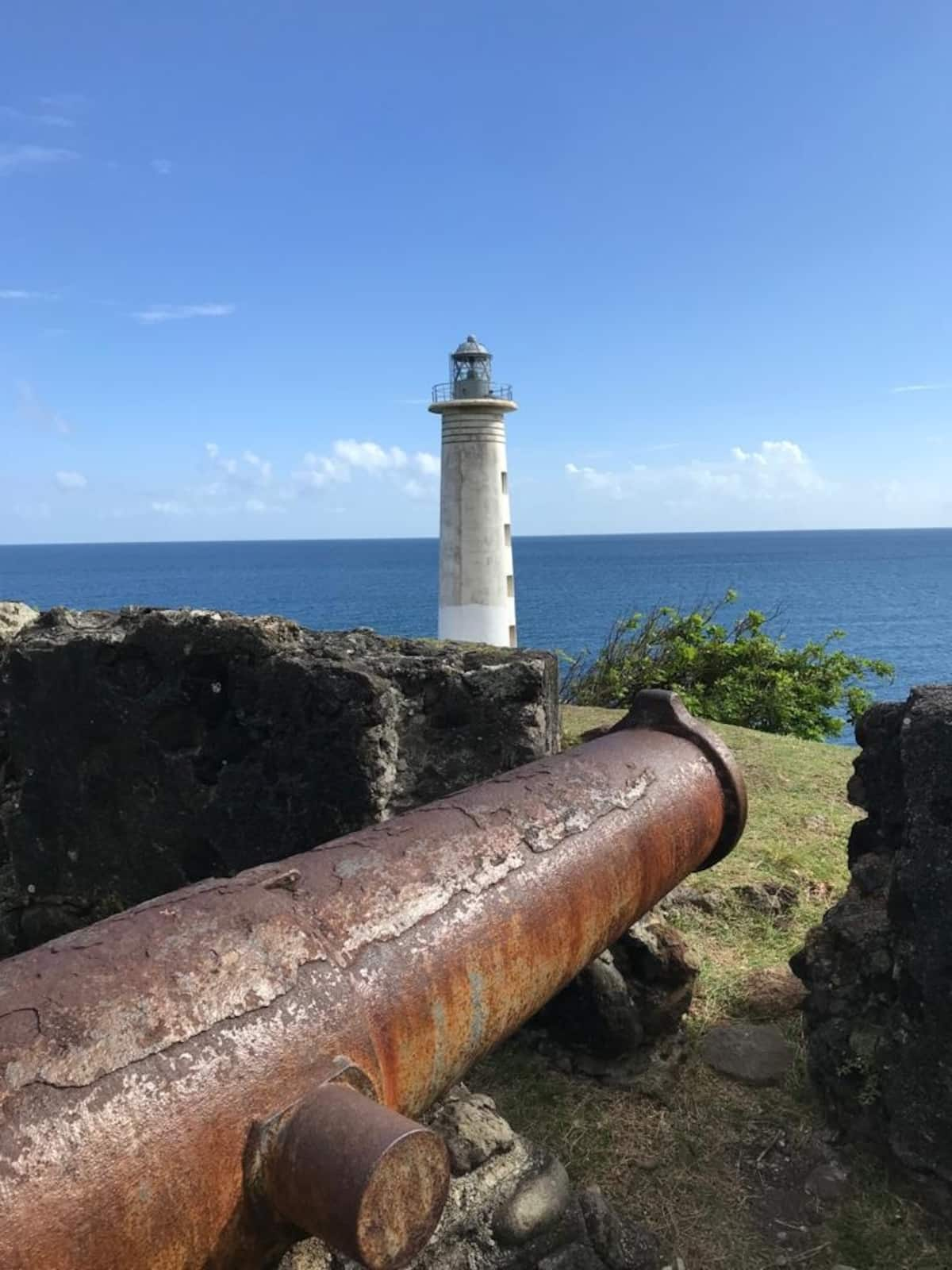
A short ferry ride from the mainland, Guadeloupe’s outer islands feel like stepping further back in time. Les Saintes is famous for the postcard Pain de Sucre bay, watched over by Fort Napoléon; Marie-Galante — nicknamed “the big pancake” for its round, flat shape — is all sugar-cane fields, rum distilleries and near-empty beaches; La Désirade offers desert-island quiet. All three make an easy day trip from Grande-Terre, or a relaxed overnight if you want to properly unplug.
Practical tips
Start early, bring water and a rain layer, and check trail status — access can close temporarily for volcanic monitoring.
Guadeloupe’s reefs are protected; mineral, reef-safe sunscreen is both the law in marine reserves and the considerate choice.
Sea turtles nest on Grande-Terre beaches roughly April to November — follow posted guidance and keep a respectful distance.
Grande-Terre for calm, reef-sheltered golden sand; Basse-Terre for dramatic black volcanic sand and bigger waves.
See the rest of the guide
Historic forts, rum distilleries, markets and Creole cuisine are just a click away.
Sightseeing & things to doCulture, food & shopping